
It’s the last thing you want to deal with late at night: your basement is flooding, and you’re not exactly sure why.
Immediate Flood Safety
In the first 20 minutes of your basement flooding, try to cut off the source if you can. If it’s a washing machine, toilet or sink that is the problem, don’t use it. Do not keep testing it.
If you are able to turn off the water main, then shut off water in the house. The water shutoff is usually in the basement where the water comes into the house or by the meter.
Save what you can save from getting wet: electronics, paper products, clothing and anything else stored directly on the floor.
If your basement is flooded from a drain in the floor, you are probably not dealing with a clogged toilet or clogged sink, but a bigger problem, like a clogged main sewer line.
If you’re worried about electrocution or a fire risk from wading into water and you have a basement furnace room, have a family member or neighbor go into the furnace room to turn off electricity at the breaker.
Do not step into water that is around outlets, appliances or extension cords.
If your standing water has a sewage odor or seems dirty, keep pets and children away from it.
Take pictures or videos of items before you move them. Set up barriers at the door. Elevate furniture on wooden blocks. Try to determine where the water has come from and if it’s rising or receding.
Finding the Cause
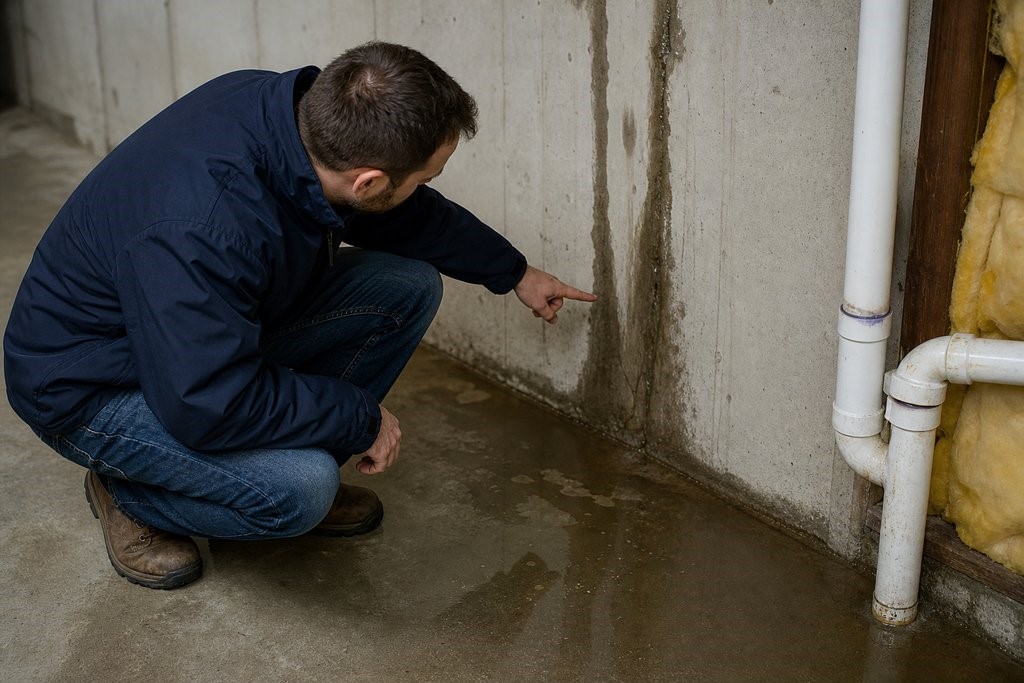
Basement plumbing system
Once you’ve made your basement as safe as you can, it’s time to try and figure out what’s causing the problem so you know what to do next.
Is it a frozen pipe? Are two or more drains backing up? Is the water coming from your sump pump?
Common Winter Failures
Frozen Pipe
A frozen water line can make the water flow weak or stop at the sink or toilet. The most common locations for frozen pipes (worth a skim of cnet.com/home) are those against exterior walls or in unheated spaces.
Broken Frozen Pipe
You may not see water flowing until the thawing process has started. You can also see a big gush of water later that night or early in the morning as the pipe starts to thaw.
Clogged Floor Drain
If your basement is finished, a frozen or clogged main sewer line can send sewage backing up into your basement floor drains.
Frozen or Clogged Sump Pump
Freezing and thawing weather can send more water into your sump pump than it can handle. If you have an old house with little to no drainage, melting snow can push water into the sump pump.
Don’t discard ruined carpeting, drywall, or other items stored in the damaged area until you’ve contacted your insurer, then ask what documentation they require and if they need a restoration company to inspect your home. Keep receipts for all work or supplies related to emergency repair and cleanup, including the cost of storing belongings.
If the damage is the result of a sewage backup, don’t use towels and a shop vac, this contamination requires special remediation and porous items might need to be removed.
When it is safe to do so, open interior doors and consider dehumidifiers once you’ve ensured the water flow is shut off and it is safe to use electrical equipment. You can use fans unless they might spread contaminated droplets.
While you wait for your plumber’s arrival, do check the water meter if it’s safe and accessible to do so, but never delay a water shut-off. With all faucets and appliances turned off, if the meter leak indicator is still showing activity, let the plumber know, as it can mean a leak is on the water supply side instead of a drainage problem.
Calling a Plumber
Call for help if there is wastewater coming into the house; if more than one drain is backing up; if you think a pipe has burst; or if you have shut off the water main. Skip this if none of those conditions applies; otherwise, emergency plumbing assistance for South Minneapolis homes is the relevant route.
- Do not attempt to plunge toilets or drain lines for an extended amount of time.
- Do not use harsh chemical drain cleaners to resolve the problem.
- Do not use fire to resolve a frozen pipe issue.
- If it’s your sump pump that’s flooding the basement, check to see if the power is on and if there is a clog in the sump line outside the house that could be ice.
When a plumber comes to your home, let them know what’s happening, if you’ve already tried to fix the issue or what happened before water started leaking.
Clear the path for the plumber, especially if you have tight spaces to walk through to get to the problem area in your South Minneapolis home.
Have a timeline of when everything happened. If you turned your faucet on right before you discovered a frozen pipe, tell your plumber. If you have had issues with frozen pipes or frozen sump pump lines in the past, tell your plumber.